
FROM A BOOK IDEA TO A PLATFORM FOR CHANGE: How Hardy Smith Turned a Nonprofit Leadership Problem into a Bestseller and Authority Platform



The Challenge
For years, Hardy Smith heard the same complaint from nonprofit leaders: Why don’t board members do what they’re supposed to do? The frustration was widespread, but Hardy suspected organizations were looking at the problem from the wrong direction.
His perspective was shaped by an unusual career path. After more than three decades in the high-performance world of NASCAR, Hardy brought a habit of questioning assumptions into his work with nonprofits, associations, and chambers of commerce. As he puts it, the NASCAR mindset taught him to challenge, verify, and continually ask why something worked—or didn’t.
Then, during an early training session with approximately one hundred nonprofit leaders, Hardy asked the group to identify one problem they could address together. The room answered in unison: “Why don’t board members do what they’re supposed to do?”
"The force of it, one hundred people yelling, really made me step back and realize there’s something here"
The Idea: Stop Blaming the Board
That moment led Hardy to investigate the problem from a perspective that was rarely centered in the conversation: the board members themselves. He reached out to board members in his network and asked a simple question: If nonprofit leaders think board members aren’t doing what they’re supposed to do, why?
The responses became the “secret sauce” for the eventual book. As Hardy sorted through the responses, he noticed that although board members described their experiences in different ways, many were identifying the same underlying issues. The problem, he realized, wasn’t simply that boards were failing to perform. Organizations were often creating a less-than-positive experience for their board members.
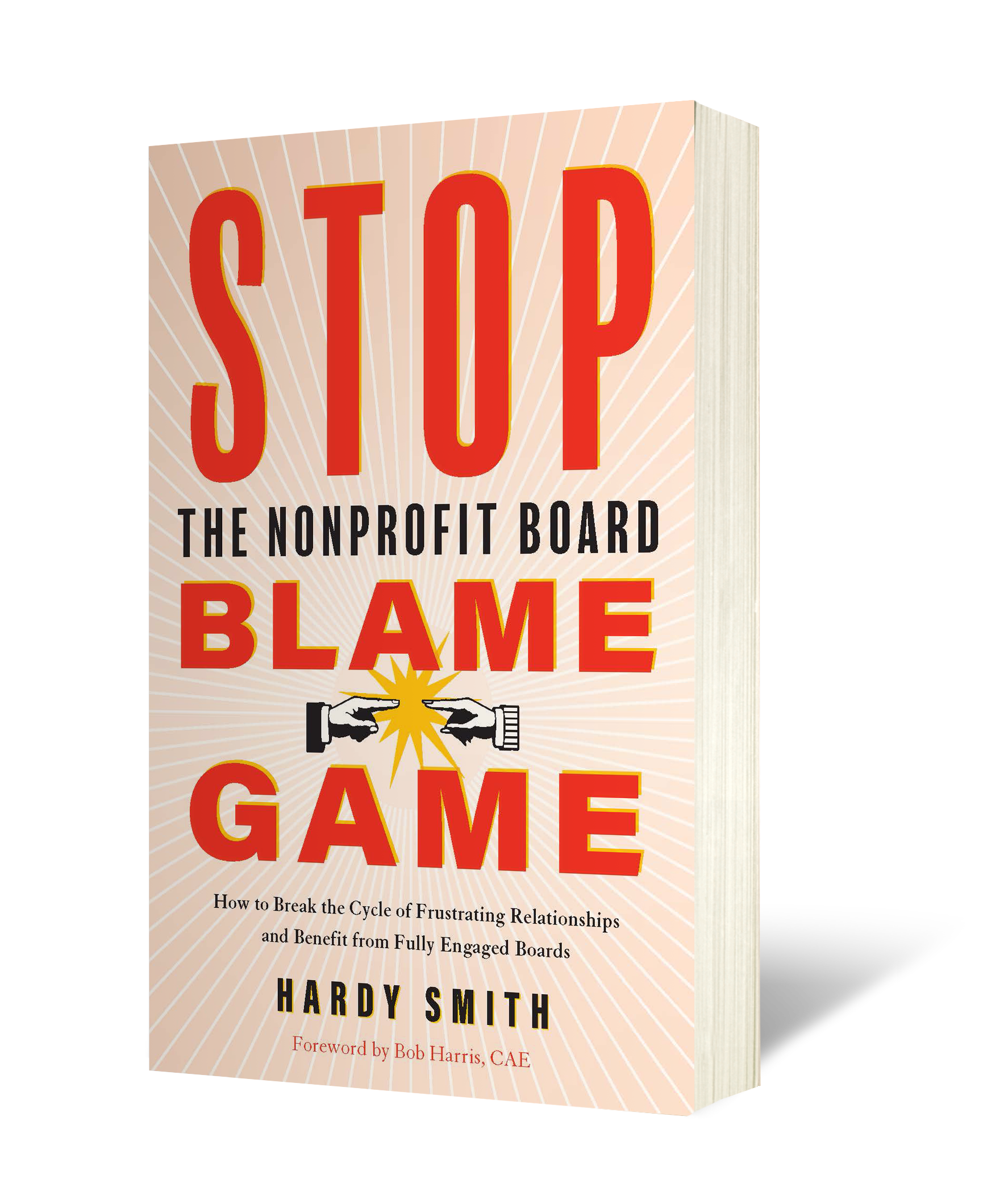
That insight developed into the foundation for Stop the Nonprofit Board Blame Game: How to Break the Cycle of Frustrating Relationships and Benefit from Fully Engaged Boards. Rather than offering another collection of conventional “best practices,” Hardy built the book around board-member perspectives, his own experience, and practical solutions.
"There are a whole lot of people telling nonprofit leaders what to do, and it’s kind of all the same. My whole thing is: You’ve been trying this. It is obviously not working. You’ve got to do something different."
A Publishing Partner from Idea to Impact
Once Hardy decided to turn his expertise into a book, he wanted a publishing partner who could help him do more than simply produce a finished manuscript. Fellow members of the National Speakers Association highly recommended he check out Greenleaf Book Group, and Hardy quickly found that the Greenleaf partnership extended across every stage of the process.
From editorial development and positioning to design, production, marketing, and the ongoing promotion of the book, Hardy says he enjoyed the process and felt supported by the Greenleaf team.
"I loved every bit of the process. I loved it."
One of the earliest moments that stood out to Hardy was Greenleaf’s approach to understanding the book—and understanding him as an author. He felt the team took the time to understand his audience, his expertise, and the larger purpose behind the book. Looking back, Hardy says that was one of the most enjoyable and meaningful parts of his publishing journey.
"They took time to listen. They took time to understand Hardy."
That partnership continued beyond the manuscript. Hardy credits Greenleaf’s marketing strategy with helping him think differently about how to position and promote the book, including its Amazon presence, categories, reviews, and ongoing visibility.
"Greenleaf made me feel comfortable and confident by clearly demonstrating they were willing to listen to me and understand the message I wanted to share and also understand the audience the book was being written for."
Rather than treating publication as the finish line, Greenleaf helped Hardy develop a marketing approach designed to keep the book working long after its initial launch. Hardy embraced that philosophy, describing his approach as a “perpetual book launch.”
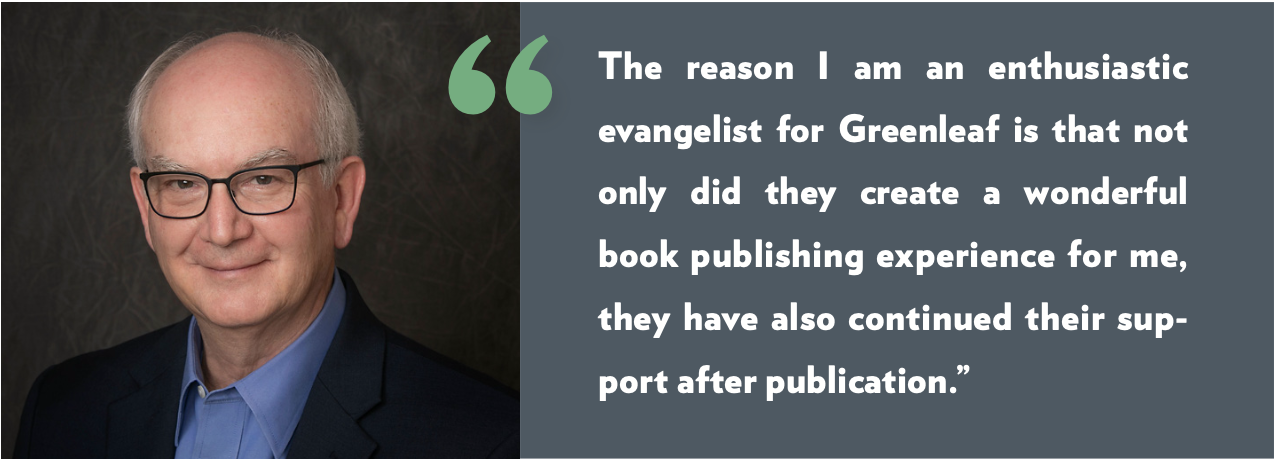
For Hardy, the relationship with Greenleaf has also continued well beyond the initial publication process. That ongoing support is one of the reasons he remains such a strong advocate for the publisher.
A Book That Became More Than a Book
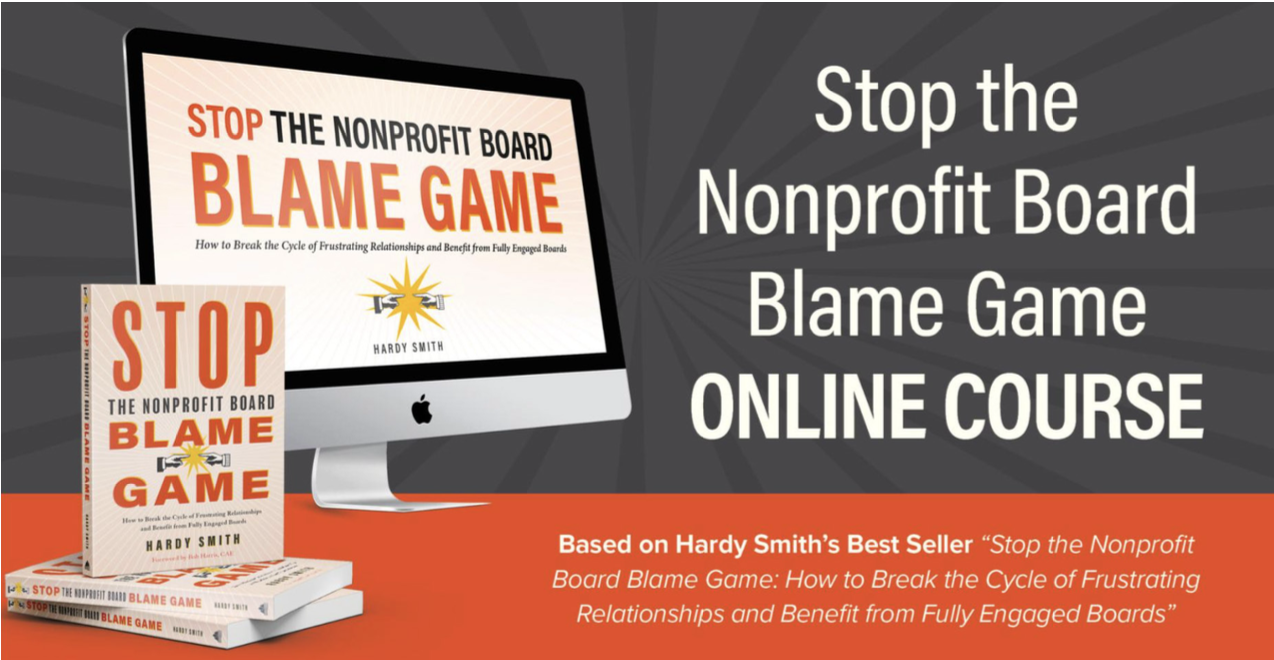
Hardy initially approached the project with a straightforward goal: get an important message into the hands of nonprofit leaders. The book ultimately exceeded what he expected. It became an Amazon bestseller in multiple nonprofit categories, earned a Nonfiction Book Awards Silver Medal, and was named a finalist for the International Book Awards in Business: Management & Leadership.
But for Hardy, the more meaningful measure of the book’s success has been what it has enabled him to do professionally. The book became a calling card, a teaching tool, and the foundation for much of his ongoing work.
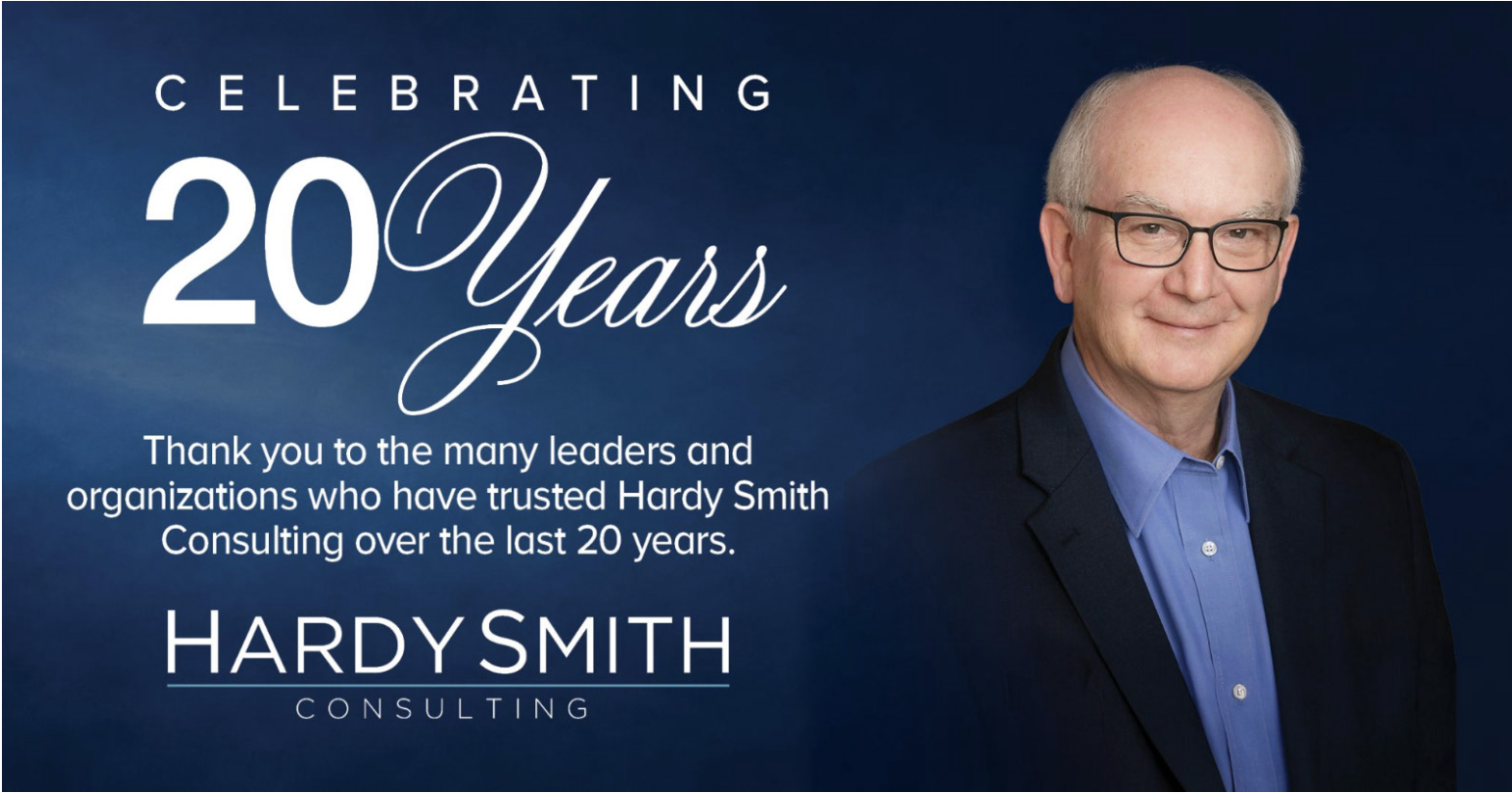
That impact becomes even more significant when viewed alongside Hardy’s broader professional journey. His consulting business reached its twenty-year anniversary, marking two decades of working with nonprofits, associations, and chambers of commerce. Over that time, Hardy has built a business around helping organizations create stronger, more engaged boards. The book has become an important part of the platform supporting that work.
Rather than standing apart from his consulting career, the book has reinforced it—giving prospective clients a tangible way to experience Hardy’s expertise and giving his ideas a life beyond individual engagements.
The Book as a Business Tool
One of the clearest examples came when Hardy was being considered to facilitate a board-development
session for a large chamber of commerce. The CEO responsible for the hiring decision bought Hardy’s
book and read it, marking pages with sticky notes. When the executive vice president saw the book on the CEO’s desk and learned that Hardy was being considered, she immediately recognized his name and expertise. Hardy ultimately moved to the top of the list—and has since returned to work with the organization.
"The book is a great calling card. The real money is the work that has been created because of the book.”
That experience was not an isolated example. Hardy says one of the most significant professional opportunities directly attributable to the book was securing a lasting consulting relationship with a client.
For Hardy, this distinction is important. He doesn’t view the book primarily as a product that generates income through book sales. Instead, it creates opportunities for work around the book—including speaking, training, board retreats, consulting, and other professional engagements.
The book has become an extension of Hardy’s expertise: a way for prospective clients to experience his thinking before they ever hire him.
"Securing a multi-year consulting retainer client for a significant association is directly attributable to my book."
The Never-Ending Book Launch
Hardy also took a different approach to marketing the book. Instead of treating publication day as
the finish line, he decided the launch would never really end.
With guidance from Greenleaf, Hardy learned to pay attention to Amazon categories, reviews, rankings, and the ongoing optimization of his book page. He regularly refreshes endorsements and other content, celebrates publication anniversaries, incorporates the book into speaking engagements, and uses each appearance as another opportunity to put the book in front of potential readers.
He also repurposes reader reviews into social media graphics and newsletter content, turning a single piece of feedback into an evergreen marketing asset. The strategy has helped Hardy keep the book relevant while simultaneously reinforcing his broader professional brand. Each new speaking engagement, consulting relationship, media opportunity, or organizational conversation can create another reason to introduce audiences to the book—and the ideas behind it.
"My attitude is my book launch will never end. I love it. I am in a perpetual book launch."
A Platform That Continues to Grow
Today, Hardy describes the book as the anchor for his work. Ideas from it appear in his speaking engagements, board retreats, articles, podcast appearances, newsletters, and social media content. He continues to research and update the ideas, looking at how changes in demographics, generations, and nonprofit leadership affect the way organizations engage their boards.
That ongoing evolution has even prompted conversations about what a future edition might look like. The book is no longer a static publication; it is a living foundation for Hardy’s thought leadership.
The book’s role is especially powerful because it sits within an established consulting business that has now reached its twenty-year milestone. Hardy has spent two decades building relationships, developing expertise, and helping organizations address board leadership challenges. The book gives that experience a clear framework and a recognizable vehicle that can continue opening doors and reinforcing his authority.
In that sense, the book has become more than a publication. It is an asset that continues to work alongside the business Hardy has built.
"The book has become my platform. Everything that I speak about, everything that I do board retreats on, everything that I write about, every podcast guest opportunity—it is from the book."
The Takeaway
Hardy Smith didn’t set out to build a publishing phenomenon. He had a problem he kept seeing, a contrarian perspective on why it existed, and a desire to give nonprofit leaders a practical way to address it.
The book gave his expertise a vehicle. And with a strategy that extends well beyond publication day, it has become something even more valuable: a platform that reinforces Hardy’s authority, opens doors to new opportunities, and supports the broader consulting and speaking business he has built over two decades.
The result is a model of what can happen when a book is treated not as the endpoint of an author’s expertise, but as an engine for what comes next.
Greenleaf Book Group is a publisher and distributor best known for its innovative business model, distribution power, and award-winning designs. Named one of the fastest-growing companies in the United States by Inc. Magazine, Greenleaf has represented more than 4,600 titles, including over 70 New York Times, Wall Street Journal, and USA Today bestsellers. Learn more at www.greenleafbookgroup.com.