Expert Branding

Marketing Strategy

Author Platforms Explained: What Actually Counts in 2026

TL;DR

An author platform is the collection of places where readers can find you, understand what you write, create, offer, or speak about, and stay connected with your work. In 2026, a strong platform doesn’t necessarily mean being active everywhere. Instead, try building a few core elements and working toward them consistently: a website that clearly demonstrates who you are, what your ideas are, and how you can help; an email list that delivers valuable content in a natural, sustainable rhythm; and one or two intentional social media channels that reflect your expertise, story, or point of view. Social media can help readers discover you, but your website and email list give them a reason to keep coming back. In fact, email remains one of the most effective marketing channels, returning an average of $36 for every $1 spent, according to Litmus.

Navigating Social Media Amid The Chaos

The social media landscape is always evolving, but recent political and societal shifts in the U.S. have accelerated major changes that can directly impact authors. Platforms are adjusting policies, audiences are migrating, and new alternatives are emerging—creating both challenges and opportunities for building an effective digital presence. As an author, understanding these shifts is essential to making informed decisions about where and how to engage online.

Newsletters by the Numbers

A 420% increase in website traffic in one day. Is it a coincidence that hours earlier authors Jenn Goldman and Caryn Hirshleifer sent out a newsletter to their subscribers announcing a new event?* No. It’s called email marketing, and if you are unsure of what that is or why a newsletter is part of a cohesive marketing strategy, check out Build Your List: Newsletters as an Author Platform Building Tool in our Learning Center. For those of you who want to see real stats and data, read on.

Email Marketing That Converts Readers into Fans

Email marketing is a powerful tool for authors to connect with their audience, build a loyal reader base, and drive book sales. However, creating an effective email campaign or newsletter requires strategic planning and execution. Here are some best practices to ensure your email campaign or newsletters are successful!

Smart Thought Leaders Save Time and Stress by Using a Content Calendar

Consistency is one of the most important hallmarks of an effective thought leader brand. Whether you are a burgeoning expert or just beginning to consider how to get credit for the work you’ve always done, sharing your perspective on platforms that will reach your intended audience is just as important as establishing a posting rhythm and sticking with it over the long haul.

Preparing Your Online Presence for Media Attention

Congratulations! Your book publication date is on its way. You’re probably excited about sharing your big idea with the world, yet you might be wondering what you can do to help stand out online and attract opportunities. An undertaking like this might sound overwhelming, but there are simple things you can do to spruce up your online presence and make your online searchability ideal for anyone wanting to contact you.

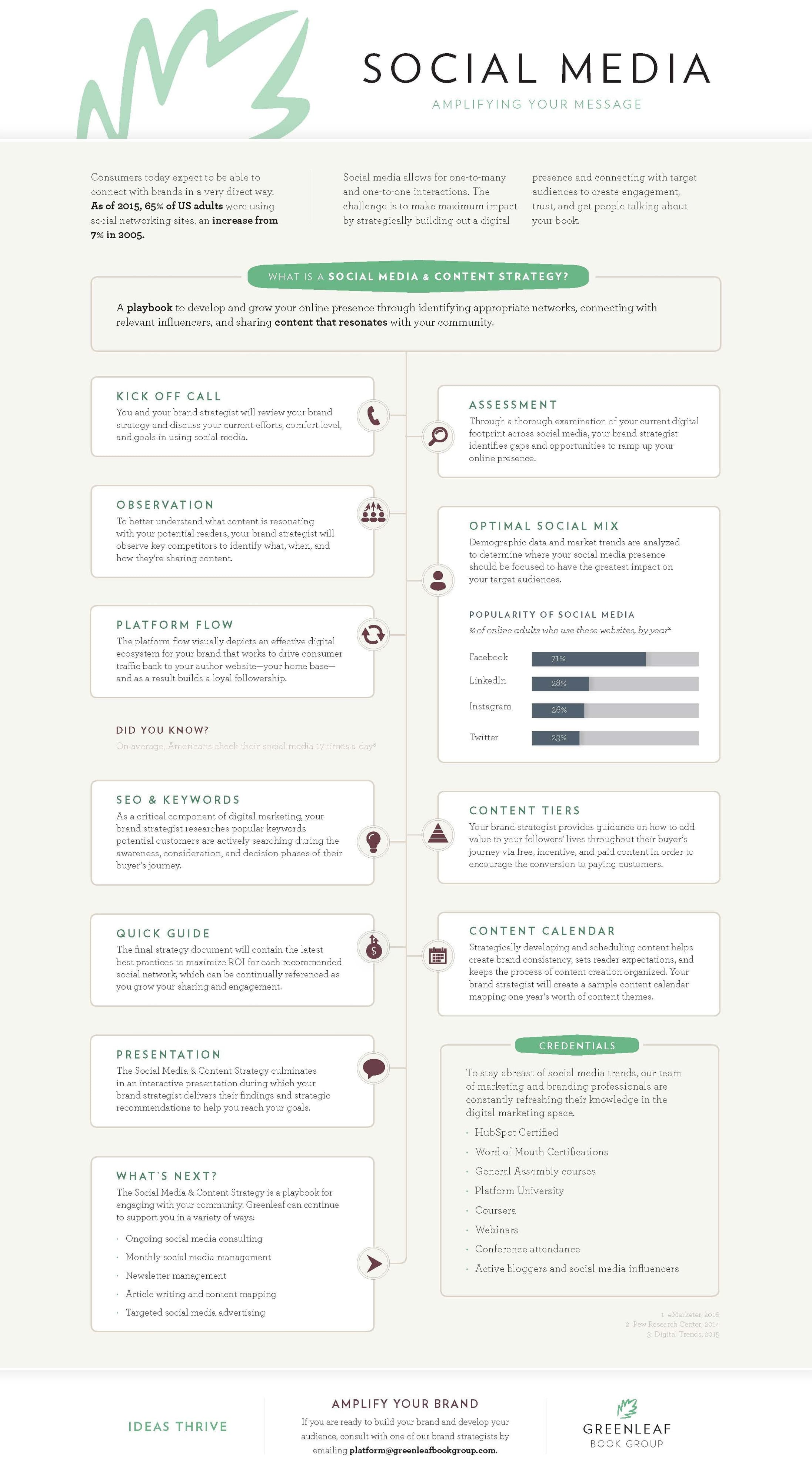
Social Media Strategy: Amplify Your Message

Effectively utilizing social media is about more than sending a few tweets and making sure your LinkedIn profile is up to date.